About Wind Energy
Powering Tomorrow with Sunshine
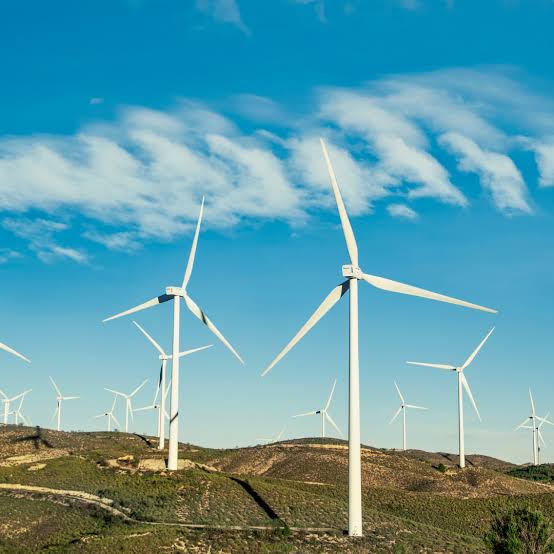
Wind energy is a clean, renewable, and sustainable source of electricity that harnesses the natural power of the wind to generate reliable energy. Using advanced wind turbine technology, wind energy systems convert the kinetic energy of moving air into electrical power, helping reduce electricity costs, decrease carbon emissions, and promote environmental sustainability. It is an efficient solution for residential, commercial, industrial, agricultural, and remote applications where dependable renewable energy is essential.
We offer end-to-end wind energy solutions, including Off-Grid Wind Systems, Hybrid Wind Systems, and Battery Energy Storage Systems (BESS), designed to meet diverse energy requirements. Our experienced team provides complete services from site assessment and system design to installation, commissioning, and maintenance. By utilizing advanced wind turbine technologies such as Savonius, Traditional Horizontal Axis (HAWT), Vertical Axis (VAWT), Helical, and H-Rotor turbines, we deliver reliable, efficient, and customized renewable energy solutions that maximize power generation and long-term performance.
Types of Wind Turbines
Advanced Wind Turbine Technologies engineered for maximum efficiency, durability, and long-term performance.
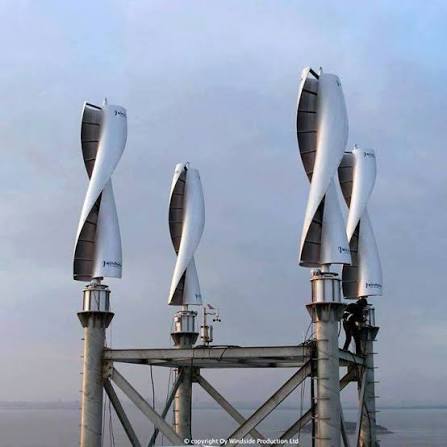
Savonius Wind Turbine (Low-Floral Vertical Turbine System)
The Savonius wind turbine is a vertical-axis turbine designed to operate efficiently at low wind speeds. Its simple, durable design provides reliable power generation for small-scale applications, making it suitable for residential areas, street lighting, and remote installations.
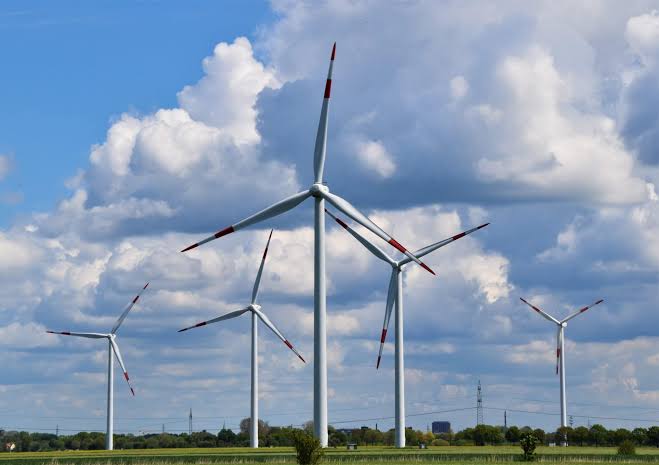
Traditional Wind Turbine (HAWT)
Horizontal Axis Wind Turbines (HAWT) are the most widely used wind turbines for commercial and utility-scale projects. Known for their high efficiency and excellent energy output, they perform best in areas with consistent and strong wind conditions.
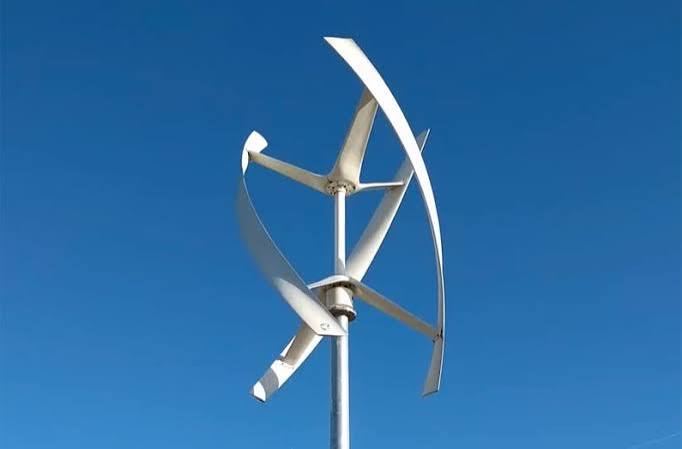
Vertical Axis Wind Turbine (VAWT)
Vertical Axis Wind Turbines rotate around a vertical shaft, allowing them to capture wind from any direction without requiring orientation systems. They are ideal for urban environments, rooftops, and locations with turbulent wind conditions.
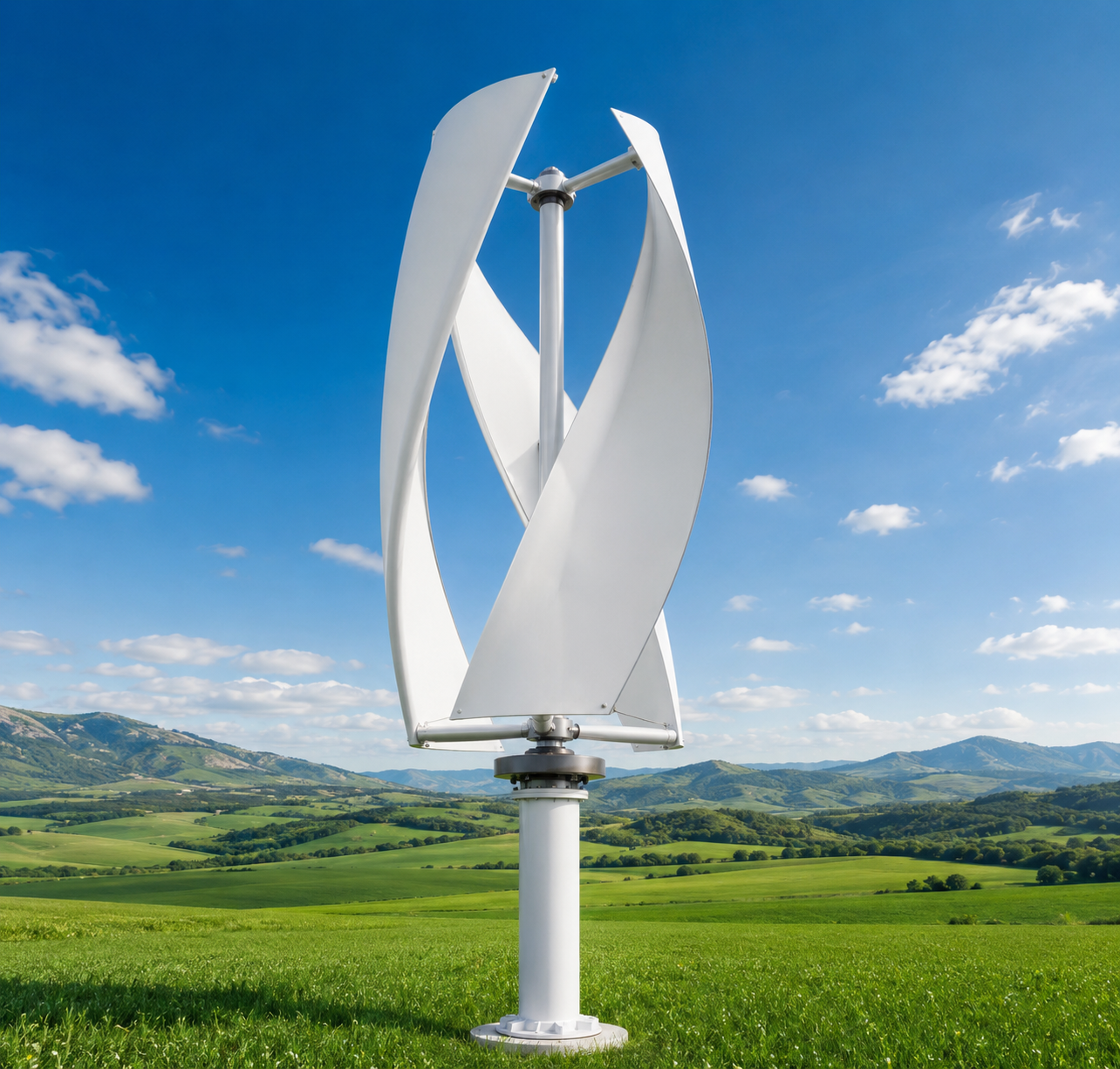
Helical Wind Turbine
Helical wind turbines feature twisted blades that enable smooth and continuous rotation, reducing vibration and noise while improving efficiency in variable wind conditions. They are commonly used in residential and commercial installations.
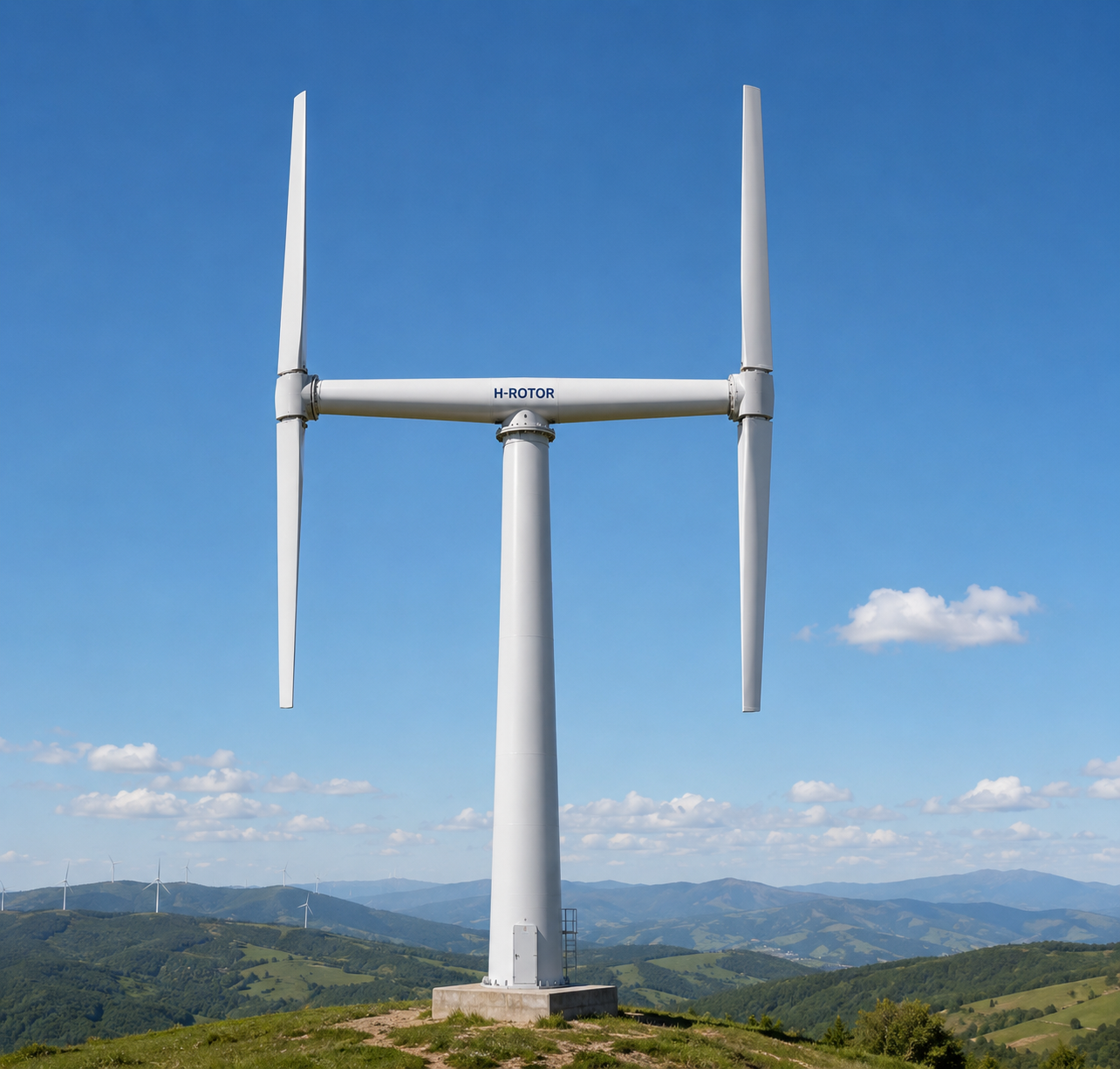
H-Rotor Wind Turbine
The H-Rotor wind turbine is a type of vertical-axis turbine designed for durability, stable performance, and efficient energy production. Its robust construction makes it suitable for urban, industrial, and commercial applications where reliable renewable energy generation is required.
Savonius Wind Turbine (Low-Floral Vertical Turbine System)
The Savonius wind turbine is a vertical-axis turbine designed to operate efficiently at low wind speeds. Its simple, durable design provides reliable power generation for small-scale applications, making it suitable for residential areas, street lighting, and remote installations.
Traditional Wind Turbine (HAWT)
Horizontal Axis Wind Turbines (HAWT) are the most widely used wind turbines for commercial and utility-scale projects. Known for their high efficiency and excellent energy output, they perform best in areas with consistent and strong wind conditions.
Vertical Axis Wind Turbine (VAWT)
Vertical Axis Wind Turbines rotate around a vertical shaft, allowing them to capture wind from any direction without requiring orientation systems. They are ideal for urban environments, rooftops, and locations with turbulent wind conditions.
Helical Wind Turbine
Helical wind turbines feature twisted blades that enable smooth and continuous rotation, reducing vibration and noise while improving efficiency in variable wind conditions. They are commonly used in residential and commercial installations.
H-Rotor Wind Turbine
The H-Rotor wind turbine is a type of vertical-axis turbine designed for durability, stable performance, and efficient energy production. Its robust construction makes it suitable for urban, industrial, and commercial applications where reliable renewable energy generation is required.
Comparison of Wind Turbine Technologies
See how each turbine type stacks up across wind direction handling, ideal use case, and key benefits.
| Turbine Type | Wind Direction | Best For | Key Benefits |
|---|---|---|---|
|
Savonius
|
Any Direction | Residential & Small Projects | Operates efficiently at low wind speeds |
|
Traditional (HAWT)
|
Fixed Direction | Utility & Large Commercial | Highest efficiency and energy output |
|
Vertical Axis (VAWT)
|
Any Direction | Urban & Rooftop Installations | Performs well in turbulent winds |
|
Helical
|
Any Direction | Residential & Commercial | Quiet operation with smooth rotation |
|
H-Rotor
|
Any Direction | Commercial & Industrial | Durable design with stable performance |
Frequently Asked Questions
Everything you need to know about going wind-powered with Gigatron Energy.
Wind turns the turbine's blades, which spin a rotor connected to a generator. The generator produces electricity, which passes through a controller and inverter so it can power your home appliances or feed excess energy back into the grid.
Cost depends on turbine type, tower height, and site wind conditions. Our team conducts a free wind resource assessment and provides a customized quote based on your energy needs and available incentives.
Most small and mid-sized wind turbines are built to last 20 to 25 years with proper upkeep. Key components like blades and towers can last even longer, while generators and bearings may need servicing or replacement over that period.
Wind turbines need more regular upkeep than solar panels since they have moving parts. Routine checks every 6 to 12 months for blade wear, bolt tightness, and lubrication are recommended, along with inspection after major storms.
Yes, though output will be lower. Turbine types like Savonius and Helical are designed to start generating at lower wind speeds, making them better suited to sites with modest or variable wind conditions than traditional horizontal-axis turbines.
Yes, most residential and commercial installations use a grid-tied setup, allowing you to draw power from the grid when the wind is low and export surplus wind energy back to it through net metering.
Yes, all our turbines come with a standard product warranty covering major components, along with a separate performance warranty guaranteeing reliable output over the turbine's rated operational life.
A typical small-scale residential or rooftop turbine installation takes 2 to 5 days once permits, tower foundation, and equipment are ready. Larger commercial installations may take longer depending on tower height and site preparation.