
About Solar Energy

Powering Tomorrow with Sunshine

Solar energy is one of the most efficient and sustainable sources of renewable power, helping homeowners and businesses reduce electricity costs while minimizing their environmental impact. Our advanced solar solutions are engineered to deliver maximum performance, long-term reliability, and exceptional energy savings.

Β 

We specialize in designing, supplying, installing, and maintaining customized solar power systems for residential, commercial, industrial, agricultural, and institutional projects. By utilizing premium photovoltaic technologiesβ€”including Monocrystalline, MonoPERC, TOPCon N-Type, and TOPCon HJT solar modulesβ€”we ensure higher efficiency, superior energy generation, and excellent performance even under challenging weather conditions.

Β 

Whether you’re looking for an On-Grid, Off-Grid, Hybrid, or Battery Energy Storage System (BESS) solution, our expert team provides end-to-end services tailored to your unique energy requirements.

Types of Solar Modules – Gigatron Energy
Solar Technology

Types of Solar Modules

Advanced Solar Module Technologies engineered for maximum efficiency, durability, and long-term performance.
Monocrystalline Modules
Mono-Si

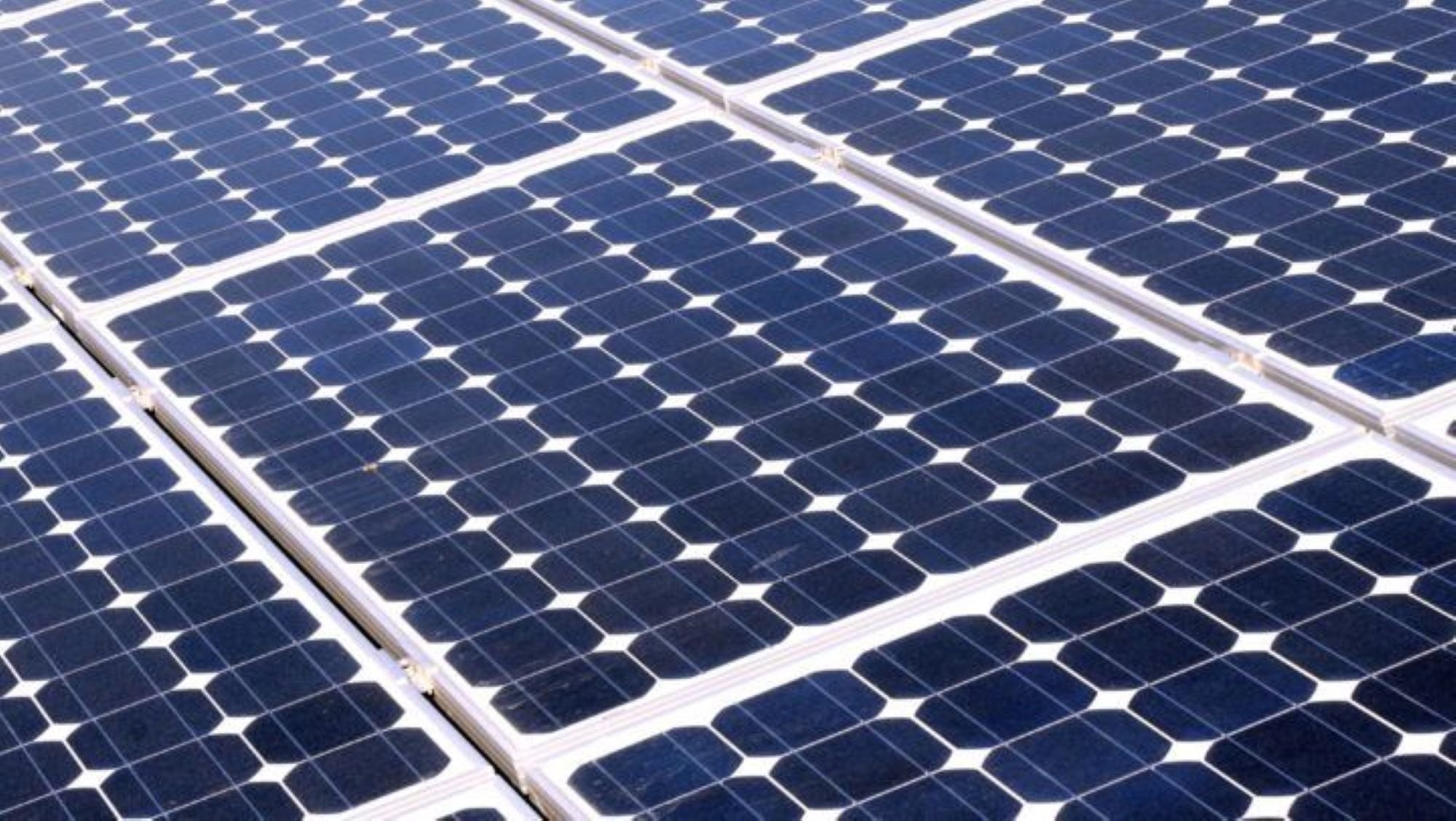
Monocrystalline Modules

High-efficiency solar panels manufactured using single-crystal silicon that provide maximum power output, longer lifespan, and excellent performance in limited roof space.
MonoPERC Modules
PERC

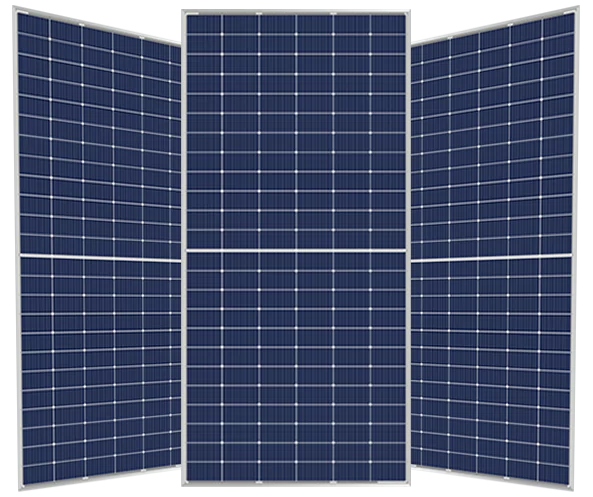
MonoPERC Modules

MonoPERC (Passivated Emitter Rear Cell) technology enhances energy conversion efficiency by reducing electron recombination and improving low-light performance.
TOPCon N-Type Modules
N-Type

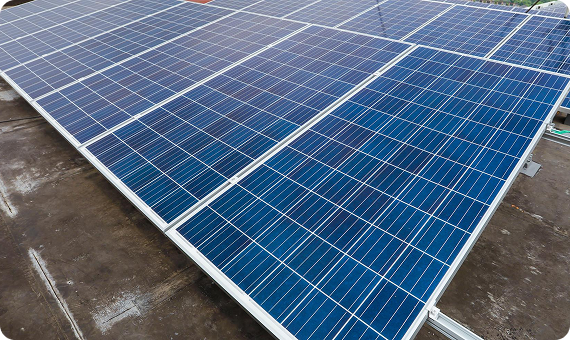
TOPCon N-Type Modules

TOPCon (Tunnel Oxide Passivated Contact) N-Type modules represent the latest generation of solar technology, offering higher efficiency, lower degradation, improved temperature coefficient, and greater long-term performance.

TOPCon HJT Modules
HJT

TOPCon HJT Modules

Hybrid Junction Technology (HJT) combines crystalline silicon with thin-film technology, delivering exceptional efficiency, superior bifacial performance, lower temperature losses, and enhanced durability.
Solar Module Comparison – Gigatron Energy
Compare & Choose

Solar Module Comparison

See how our advanced module technologies stack up across efficiency, lifespan, and real-world performance.

Module Type  Efficiency  Lifespan  Performance
Monocrystalline
High 25+ Years Excellent
MonoPERC
Very High 25+ Years Excellent
TOPCon N-Type
Premium 30+ Years Outstanding
TOPCon HJT
Highest 30+ Years Superior
Solar Energy FAQs – Gigatron Energy
Got Questions?

Frequently Asked Questions

Everything you need to know about going solar with Gigatron Energy.

Solar panels convert sunlight into DC electricity using photovoltaic cells. An inverter then converts this DC power into AC electricity that can run your home appliances or feed excess power back into the grid.

Cost depends on system size, module type, and roof condition. Our team provides a free site assessment and customized quote based on your energy consumption and available government subsidies.

Our Monocrystalline and MonoPERC modules are rated for 25+ years, while TOPCon N-Type and HJT modules offer 30+ years of reliable performance with minimal efficiency degradation over time.

Solar panels require minimal maintenance β€” periodic cleaning to remove dust and debris, along with an annual inspection, is usually enough to keep your system running at peak efficiency.

Yes. Solar panels still generate electricity in cloudy or overcast conditions, though output is lower than on clear sunny days. Technologies like MonoPERC and HJT are specifically designed for better low-light performance.

Yes, most residential and commercial installations use a grid-tied system, allowing you to draw power from the grid when needed and export surplus solar energy back to it through net metering.

Yes, all our modules come with a standard product warranty along with a separate long-term performance warranty guaranteeing a minimum power output over 25 to 30 years, depending on the module type.

A typical residential rooftop installation takes 1 to 3 days once permits and equipment are in place. Larger commercial or industrial installations may take longer depending on system size.

Scroll to Top